05 Sep

Calibration is a critical process that ensures instruments and systems produce accurate and consistent results, thereby playing a vital role in maintaining quality across various industries. This article defines calibration and emphasizes its significance, exploring the step-by-step process involved in calibrating tools and systems to answer the question How Does Calibration Work in Quality?
Real-world examples are provided to illustrate its applications, alongside a discussion of the numerous benefits it offers. Common challenges encountered during calibration are addressed, and best practices are outlined to ensure successful calibration, ultimately reinforcing the importance of quality assurance.
Understanding Calibration in Quality
Calibration is a vital component of quality assurance that guarantees measurement accuracy across a range of instruments and equipment utilized in various industries. It entails a meticulous process of aligning measurement systems with established standards to uphold precision and reliability in data collection.
This process not only aids in validating and verifying the performance of instruments but also enhances compliance with industry standards and regulations. Furthermore, proper calibration facilitates effective process control, ensuring that organizations consistently meet quality objectives and achieve continuous improvement in their operations.
Defining Calibration and its Importance
Calibration is defined as the process of adjusting and verifying the precision of measuring instruments to ensure accurate results in various applications. In today’s technologically driven environment, the importance of calibration cannot be overstated, as it serves as the foundation for achieving reliable measurements across numerous industries, including manufacturing and healthcare.
The calibration process typically involves two fundamental activities: validation, which ensures that the instrument is functioning as intended, and verification, which confirms that it produces results that align with established standards. By adhering to these protocols, organizations are better positioned to maintain high standards of quality assurance, optimize operational efficiency, and ultimately enhance the overall quality of their products. When the accuracy of measurements is ensured through meticulous calibration, it fosters trust not only in the products themselves but also in the brand that produces them.
The Process of Calibration
The calibration process entails a systematic approach integrating various procedures, methodologies, and techniques to ensure precise measurement and compliance with established standards.
Step-by-Step Explanation
A comprehensive explanation of the calibration process involves a systematic approach that includes defining the workflow, making necessary adjustments, and adhering to stringent calibration protocols to ensure accuracy. Each phase of this complex process is essential for producing reliable measurements and maintaining the integrity of the results. Initially, defining the workflow enables the technician to comprehend the specific requirements and establish clear objectives for the entire calibration procedure.
Following this, making necessary adjustments entails evaluating the equipment’s performance against established standards, identifying any discrepancies, and systematically rectifying them. Strict adherence to calibration protocols is imperative; this not only ensures consistency but also promotes accountability through meticulous documentation of each step, thereby ensuring compliance. Such thorough documentation serves as a reference point for future calibrations and aids in identifying trends that may impact measurement accuracy over time.
Examples of Calibration in Quality

The real-world applications of calibration are evident across numerous industries, where compliance with calibration standards is essential for ensuring quality and reliability in products and services.
Real-World Applications
Calibration plays a critical role in various industries, including pharmaceuticals, food safety, and manufacturing, where performance metrics and quality audits are vital to achieving operational excellence.
In these sectors, precise calibration is not merely a regulatory obligation but a fundamental element of reliable operations. For example, a case study in the pharmaceutical industry demonstrated that a company that implemented rigorous calibration protocols for its analytical equipment experienced a significant reduction in errors during quality testing. This improvement led to enhanced product safety and efficacy.
Likewise, in the food safety sector, organizations have adopted stringent calibration practices to ensure that measuring devices provide accurate measurements, directly influencing the results of their quality audits. This unwavering commitment to accuracy not only enhances consumer confidence but also assists firms in maintaining compliance with stringent industry standards, ultimately fostering continuous improvement and organizational success.
Benefits of Calibration
The benefits of calibration are numerous, primarily centered on enhancing the accuracy and consistency of measurements. These improvements are essential for quality enhancement and overall operational performance.
Improving Accuracy and Consistency
Improving measurement accuracy and consistency through calibration significantly enhances the reliability of instruments and processes. This practice minimizes errors and increases trust in data integrity. Calibration is a crucial process, as it ensures that the measurements obtained are not only precise but also reproducible. This reproducibility is essential in fields where even minor discrepancies can lead to significant consequences.
Effective calibration addresses potential systematic errors that may compromise the quality of the data collected. Such accuracy is vital for knowledge-based decision-making and the establishment of robust quality assurance protocols. When measurements are consistently reliable, organizations can confidently base their strategic decisions on the available data. This ultimately leads to improved outcomes and the maintenance of high standards within their operations.
Challenges and Solutions in Calibration
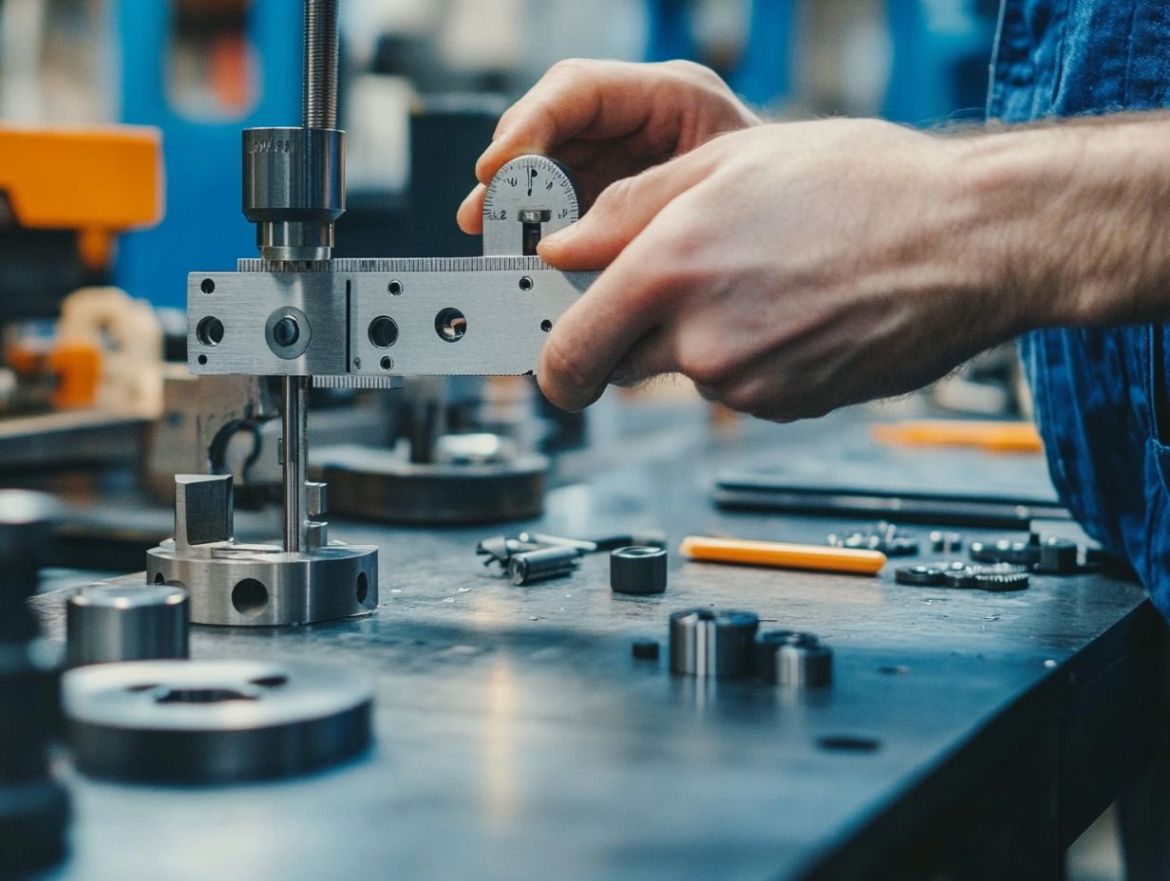
Calibration challenges frequently stem from several prevalent issues, including adherence to rapidly evolving standards, equipment malfunctions, and the necessity for corrective actions within calibration processes.
Common Calibration Issues and How to Address Them
Common issues in calibration include inconsistent results, measurement uncertainty, and the necessity for regular calibration intervals to address potential errors. These challenges can significantly impact the reliability of measurements, resulting in inaccurate data that may skew analyses and ultimately affect decision-making processes.
A notable concern is measurement uncertainty, which arises from inherent limitations of instruments or external environmental factors. To mitigate this, organizations should employ comprehensive error analysis techniques to identify the root causes of discrepancies.
Implementing a structured calibration schedule is essential, as it ensures that instruments remain within their specified tolerance levels and reduces the risk of drift over time. Additionally, investing in staff training on calibration best practices enhances adherence to protocols, thereby improving the overall quality management system and fostering confidence in measurement results.
Ensuring Quality through Calibration
Ensuring quality through calibration necessitates strict adherence to best practices that support effective calibration processes and contribute to the establishment of robust quality metrics and performance benchmarks.
Best Practices for Successful Calibration
Best practices for successful calibration encompass the establishment of stringent calibration protocols, the implementation of feedback loops, and adherence to standard operating procedures. These foundational elements are essential for ensuring that measurement instruments and processes deliver reliable results.
Stringent calibration protocols serve as a guiding framework for the entire procedure, ensuring that each tool is consistently tested against well-defined standards. This approach effectively reduces variability and enhances accuracy. Furthermore, the incorporation of feedback loops enables teams to continuously evaluate and refine their methodologies based on real-time data and outcomes, thereby fostering a culture of ongoing improvement.
Adhering to standard operating procedures guarantees that every team member follows the same guidelines, which minimizes errors and enhances reproducibility. Collectively, these practices not only strengthen the quality assurance framework but also promote a more efficient and accountable calibration process.
Frequently Asked Questions
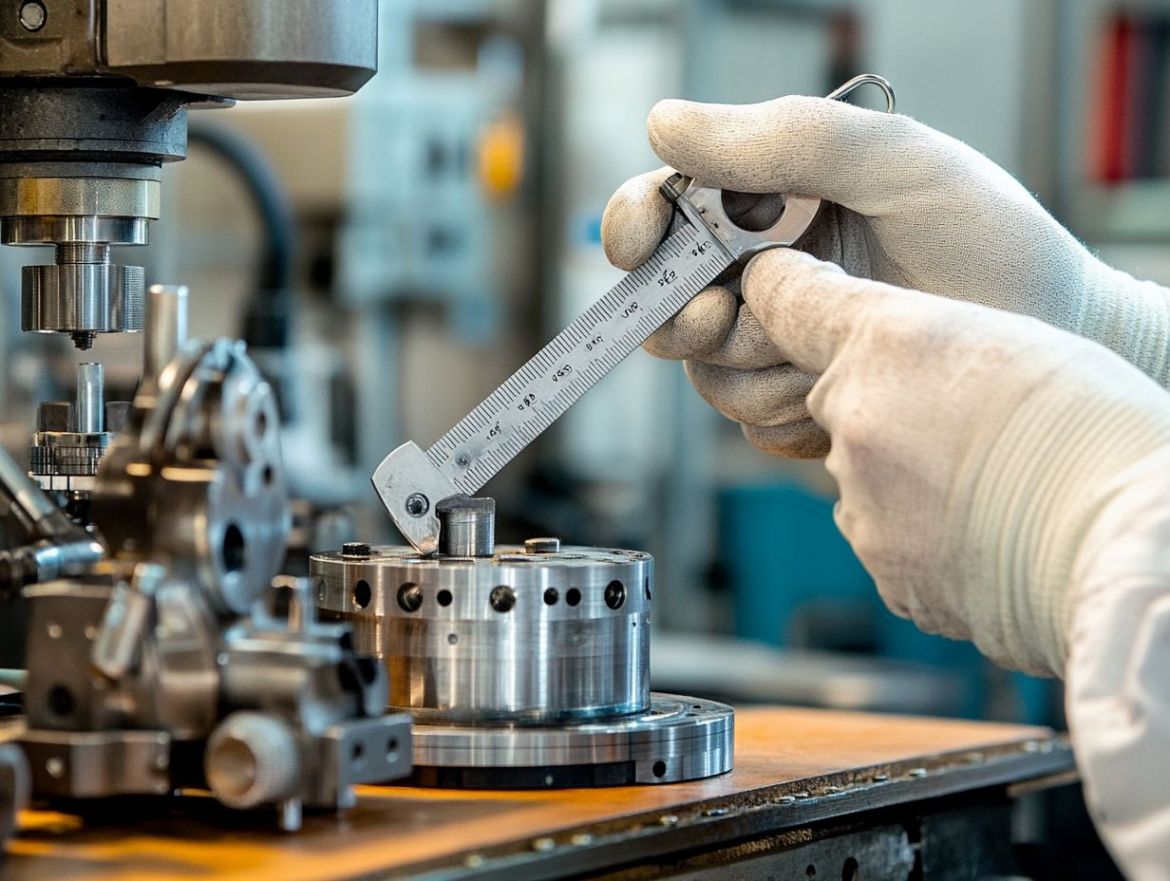
What is calibration in the context of quality?
Calibration in quality refers to the process of comparing the measurements of a device or instrument to a known standard value to ensure accuracy and precision. This is done to maintain the quality and reliability of measurements and results. For example, a thermometer used in a laboratory must be regularly calibrated to ensure accurate temperature readings.
Why is calibration important in quality control?
Calibration is important in quality control because it ensures that the measurements and results obtained from instruments or devices are accurate and reliable. This is crucial in industries such as manufacturing, healthcare, and research, where even small measurement errors can have significant consequences. Calibration also helps to detect and correct any issues with the equipment before they impact the quality of the final product or service.
How does calibration work in practice?
In practice, calibration involves comparing the measurements of a device or instrument to a known standard value. This can be done manually using reference standards or automatically using computer software. The device’s readings are adjusted if necessary to match the standard value, and a calibration certificate is issued to confirm its accuracy. Regular calibration intervals are determined based on the device’s type, intended use, and manufacturer’s guidelines.
What are the different types of quality calibration?
There are several types of calibration in quality, including functional, traceable, and accredited calibration. Functional calibration verifies the basic functions of a device or instrument. Traceable calibration compares the measurements to a known standard with a documented measurement uncertainty. Accredited calibration is a more rigorous and comprehensive process performed by a certified laboratory and includes traceability to national or international standards.
What are some common instruments that require calibration in quality control?
Some common instruments that require calibration in quality control include thermometers, scales, gauges, timers, pH meters, spectrophotometers, and pressure transmitters. These instruments are used to measure various physical and chemical properties, and their accuracy is critical in ensuring the quality of products and services. Different industries may have specific instruments that require calibration, depending on their processes and requirements.
How often should calibration be performed in quality control?
The frequency of calibration in quality control depends on several factors, including the type and usage of the instrument, industry regulations, and manufacturer’s recommendations. For critical instruments, calibration should be performed at least once a year, while others may only require calibration every 2-3 years. However, it is important to note that calibration should also be performed whenever there is a significant change in the instrument’s environment, usage, or performance.
Recent Posts

What is Fake Lean in Quality?
October 3, 2024
What Is a Document Management System?
September 11, 2024